Voicebots
Nov 25, 2025
Voicebots with Retell AI: How Canadian SMBs Automate Calls
Voicebots with Retell AI: How Canadian SMBs Automate Calls
Canadian small businesses face mounting pressure to provide 24/7 customer service while managing rising labor costs and staffing challenges. In 2024, missed calls cost Canadian SMBs an estimated $8.2 billion annually, with companies losing potential customers to competitors who answer faster. The solution lies in AI voice automation – specifically, voicebots powered by platforms like Retell AI that can handle customer calls with the same efficiency and professionalism as human agents. Automating calls allows businesses to handle more volume with fewer resources, thereby reducing operational costs.

This comprehensive guide explores how Canadian SMBs can leverage Retell AI voicebots to automate calls, reduce costs, and improve customer experience. From bilingual support requirements to integration with Canadian business tools, we’ll cover everything you need to know about implementing voice automation in your business.
What Are Voicebots and How They Transform Canadian SMB Operations
Voicebots are AI-powered voice agents that handle customer calls automatically using natural language processing and advanced conversation management. Unlike traditional phone trees that force customers through rigid menu options, modern voicebots engage in natural, flowing conversations that feel remarkably human.
Retell AI stands out as a leading voicebot platform designed specifically for small and medium businesses. The system integrates state-of-the-art AI models like GPT-4o with telephony infrastructure to create voice agents capable of handling complex, multi-turn conversations. Retell AI uses voice cloning to create human-sounding voices that replicate tone, emotion, and speech patterns. This technology represents a fundamental shift from static Interactive Voice Response (IVR) systems to dynamic, intelligent call automation.
Since 2023, Canadian SMB adoption of AI voice automation has increased by 340%, with businesses reporting significant improvements in customer satisfaction and operational efficiency. Companies using Retell AI voicebots achieve average customer satisfaction scores of 85% while reducing call handling costs by up to 80%. Retell AI automates call booking and lead qualification without human involvement, ensuring businesses can efficiently manage customer interactions.
The key difference between traditional phone systems and intelligent voicebots lies in their ability to understand context, maintain conversation flow, and adapt responses based on customer needs. While legacy systems require customers to navigate menu options, voicebots allow natural language interaction, dramatically improving the customer experience.
Canadian businesses particularly benefit from voicebot implementation because these AI voice agents address common pain points including missed calls during peak periods, after-hours inquiries that go unanswered, and staff shortages that plague many industries across the country.
Why Canadian SMBs Need Call Automation in 2024
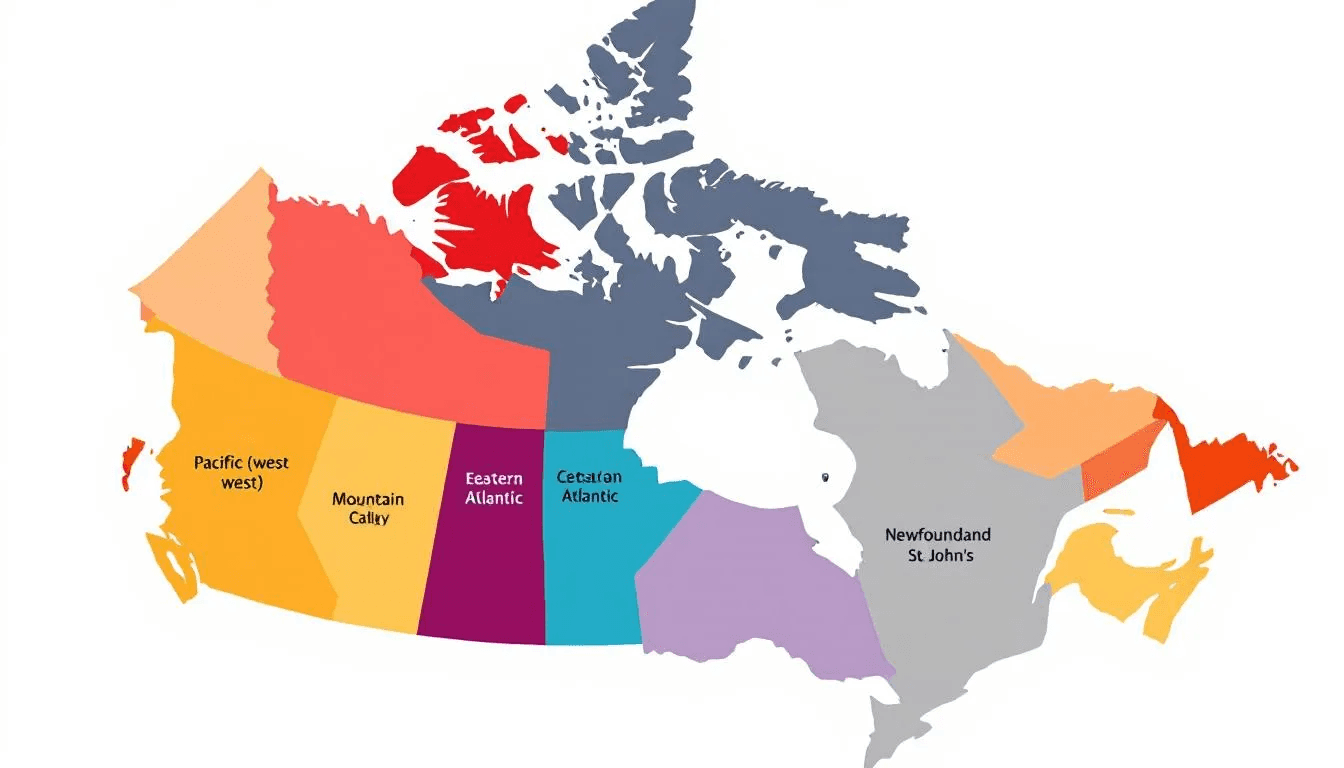
Rising customer expectations for 24/7 availability present unique challenges for Canadian businesses operating across six time zones – Pacific, Mountain, Central, Eastern, Atlantic, and Newfoundland. A customer calling from Vancouver at 9 AM expects the same level of service as someone calling from Halifax at 1 PM, creating complex staffing requirements for businesses serving multiple provinces.
Labor shortage challenges affect Canadian small businesses disproportionately, with service industries reporting difficulty filling customer-facing positions. The Competition from larger enterprises with dedicated call centers puts additional pressure on SMBs to maintain professional phone support without the resources to hire and maintain large teams.
The cost of hiring and training phone staff in major Canadian markets like Toronto, Vancouver, and Montreal has increased by 25% since 2022. Entry-level customer service positions now command $18-22 per hour, plus benefits and training costs, making traditional staffing models increasingly expensive for small businesses.
Bilingual service requirements in Quebec and other French-speaking communities add another layer of complexity. Businesses must either hire bilingual staff or maintain separate English and French support teams, doubling their staffing requirements in many cases. AI voicebots can act as virtual receptionists to manage appointment scheduling and reminders for businesses, streamlining operations while addressing these bilingual needs.
Seasonal business fluctuations common in Canadian industries – tourism, retail, home services – create additional challenges. A landscaping company in British Columbia might need minimal phone support in winter but require extensive customer service capabilities during spring and summer months. Traditional staffing models struggle to accommodate these dramatic seasonal variations cost effectively.
Voice automation with Retell AI allows businesses to maintain consistent, professional customer service across all time zones, languages, and seasonal fluctuations without proportional increases in labor costs.
How Retell AI Voicebots Automate Call Processes
The core automation workflow begins when a customer call reaches your business line. Instead of ringing endlessly or routing to voicemail, the Retell AI voice agent answers immediately, greeting customers with a professional, customized message that reflects your brand voice and business nature. AI can analyze customer needs and automatically route calls to the correct department or agent, eliminating hold times and improving the overall customer experience.
Natural language understanding capabilities enable the system to handle Canadian dialects and expressions, from Maritime colloquialisms to Prairie terminology. The AI processes spoken language in real-time, identifying customer intent and routing conversations accordingly without requiring customers to navigate complex menu systems.
Automatic call routing occurs based on predefined business rules and customer intent analysis. The system can distinguish between appointment requests, technical support inquiries, billing questions, and emergency calls, directing each conversation toward the appropriate workflow or human agent when necessary.
Real-time data capture during conversations automatically populates CRM systems with customer information, call details, and conversation summaries. This integration ensures no information falls through cracks and allows human team members to access complete context when calls require escalation.
The seamless handoff to human agents maintains conversation continuity when complex issues arise. Customers don’t need to repeat their information or explain their situation again – the human agent receives a complete conversation summary and can pick up exactly where the AI voice agent left off.

Lead Qualification and Appointment Booking
Automated screening questions qualify potential customers by gathering essential information before human sales team members invest time in conversations. The voice agent can assess budget ranges, timeline requirements, and specific needs, scoring leads based on predefined criteria that align with your sales process. Using Retell AI allows small businesses to automate lead qualification by analyzing customer responses in real-time, ensuring no valuable leads are overlooked.
Integration with popular Canadian scheduling tools like Calendly and Acuity enables real-time appointment booking during the initial call. Customers can schedule consultations, service appointments, or follow-up calls without waiting for callback confirmations, improving conversion rates and customer satisfaction. Matic launched an after-hours AI phone agent to collect information and schedule follow-up calls, resulting in higher answer rates than human-led calls.
Automatic follow-up scheduling ensures no leads fall through cracks. The system can schedule reminder calls, send confirmation emails, and even conduct pre-appointment verification calls to reduce no-shows and maintain engagement throughout your sales process.
Lead scoring based on conversation analysis helps sales leaders prioritize their time effectively. The AI analyzes conversation tone, specific keywords, urgency indicators, and customer responses to assign scores that help your team focus on the highest-probability prospects first.
Customer Service and Support Automation
FAQ handling for common customer inquiries reduces the burden on human support teams while providing instant answers to customers. The system can access your knowledge base, product information, and service details to provide accurate, consistent responses to frequently asked questions.
Order status updates and tracking information integration with e-commerce platforms allows customers to get real-time updates on their purchases without tying up human agents. The voice agent can access order systems, provide shipping updates, and even process simple order modifications.
Payment reminders and account management tasks automate routine administrative support functions. The system can remind customers about upcoming payments, verify account information, and process basic account changes, freeing human staff to focus on complex customer issues.
Escalation protocols for complex customer service issues ensure customers receive appropriate support when AI automation reaches its limits. The system recognizes when conversations require human expertise and transfers calls seamlessly while maintaining all context and customer information.
Key Features for Canadian Businesses
Bilingual support for English and French conversations addresses Canada’s official language requirements, allowing businesses to serve customers in their preferred language without maintaining separate support teams. The AI voice agents can detect language preference and switch seamlessly between English and French throughout conversations.
Integration with Canadian business tools streamlines operations by connecting with popular platforms like WaveApps for accounting, FreshBooks for invoicing, and local CRM systems commonly used by Canadian SMBs. This integration ensures voice automation fits naturally into existing business workflows.
Compliance with Canadian privacy laws, particularly PIPEDA (Personal Information Protection and Electronic Documents Act), ensures all customer data handling meets federal requirements. Retell AI maintains SOC 2 and HIPAA compliance standards, providing additional security for sensitive customer information and call recordings.

Local phone number support for all Canadian area codes enables businesses to maintain local presence across provinces without physical offices. Customers see familiar local numbers when calling, increasing answer rates and building trust with regional customer bases.
Multi-timezone scheduling capabilities accommodate Canada’s vast geographical spread, automatically adjusting appointment times and business hours based on customer location. The system prevents scheduling conflicts and ensures accurate time communication across provinces.
Canadian dollar pricing and billing integration eliminates currency conversion issues and provides transparent cost structures for Canadian businesses. Monthly subscriptions and usage-based pricing align with Canadian business accounting practices and budget planning cycles.
Implementation Process for Canadian SMBs
Initial consultation begins with assessing current call handling processes and identifying specific pain points your business faces. This evaluation examines call volume patterns, peak hours, common customer inquiries, and existing system limitations to create a customized automation strategy.
Custom script development incorporates Canadian business language, cultural nuances, and industry-specific terminology. The voice agent learns your brand voice, common customer scenarios, and appropriate responses that align with Canadian business etiquette and customer expectations.
Integration setup connects Retell AI with your existing phone systems and business software, ensuring seamless operation without disrupting current workflows. This process includes CRM integration, scheduling system connections, and any specialized software your business relies on for customer management.
Testing phase involves comprehensive script refinement using sample calls and scenario testing. Your team can review conversation flows, adjust responses, and fine-tune the AI voice agent’s behavior before launching with real customers.
Staff training prepares your team to monitor and manage voicebot performance effectively. Team members learn to review call logs, adjust scripts, handle escalations, and optimize the system based on customer feedback and business needs.
Go-live process features gradual rollout with performance monitoring, allowing your business to test the system with limited call volume before full implementation. This approach ensures smooth transition and provides opportunities to make adjustments based on real-world performance.
Timeline and Milestones
Week 1-2: Setup and Initial Configuration
Account creation and basic system setup
Initial script development and business rule definition
Phone number configuration and routing setup
Week 3-4: Script Customization and Testing
Detailed conversation flow creation
Canadian language and cultural customization
Comprehensive testing with sample scenarios
Week 5-6: Integration with Business Systems
CRM and scheduling software connections
Payment system and database integrations
Bilingual functionality testing and refinement
Week 7-8: Staff Training and Soft Launch
Team training on system management and optimization
Limited rollout with select call types or time periods
Performance monitoring and initial adjustments
Ongoing: Performance Optimization and Feature Updates
Regular script updates based on call analysis
Seasonal adjustments for Canadian business cycles
Continuous improvement based on customer feedback
Canadian SMB Use Cases Across Industries
Successful Retell AI implementations across Canadian small businesses demonstrate measurable ROI and efficiency gains since 2023. These real-world applications showcase how voice automation adapts to different industry requirements while maintaining consistent performance improvements. Sales organizations are increasingly adopting AI tools to improve efficiency and streamline operations, making them a critical component of modern business strategies.

Industry-specific examples reveal the versatility of AI voice agents in addressing unique sector challenges, from seasonal fluctuations in tourism to emergency response requirements in home services. Each implementation provides valuable insights into optimizing voice automation for specific business models.
Home Services Companies
HVAC companies in Calgary leverage voice automation to handle emergency calls during harsh Alberta winters when heating system failures spike dramatically. The AI voice agent can assess urgency levels, schedule emergency service calls, and provide basic troubleshooting guidance while human technicians focus on critical repairs.
Plumbing services in Ontario use Retell AI to manage after-hours emergency calls, ensuring customers receive immediate response even when office staff aren’t available. The system can differentiate between true emergencies requiring immediate attention and routine issues that can wait for regular business hours.
Landscaping businesses in British Columbia rely on voice automation to book seasonal consultations during their busy spring period when call volume increases by 400%. The AI voice agent handles appointment scheduling, basic service inquiries, and quote requests, allowing human staff to focus on service delivery.
Results achieved by home services companies:
40% reduction in missed calls during peak seasons
60% faster response times for emergency situations
25% increase in appointment bookings
50% reduction in after-hours overtime costs
Healthcare and Professional Services
Dental clinics in Toronto automate appointment confirmations, cancellations, and rescheduling, reducing administrative overhead while improving patient satisfaction. The AI voice agent can verify insurance information, send appointment reminders, and handle basic scheduling changes without requiring human intervention.
Physiotherapy practices across Canada utilize voice automation to handle insurance pre-authorizations and treatment plan communications. The system can verify coverage, collect required information, and schedule follow-up appointments while maintaining strict privacy compliance.
Legal offices implement voicebots to manage initial client consultations and case intake processes. The AI voice agent can gather preliminary case information, assess potential conflicts of interest, and schedule consultations with appropriate legal team members.
Results achieved by healthcare and professional services:
50% reduction in administrative overhead
35% increase in appointment bookings
70% improvement in appointment confirmation rates
45% decrease in no-show appointments
Retail and E-commerce
Local retailers use voice automation to handle order inquiries, inventory checks, and product availability questions. Customers can call to verify stock levels, place orders, and get detailed product information without waiting for human assistance during busy periods.
Canadian online stores leverage AI voice agents to manage return requests and customer support inquiries. The system can process return authorizations, provide shipping information, and handle basic account management tasks, streamlining customer service operations.
Specialty shops implement voicebots to provide detailed product information and availability updates. Customers can call to ask about specific items, compare products, and receive recommendations based on their stated needs and preferences.
Results achieved by retail and e-commerce businesses:
45% improvement in customer satisfaction scores
30% increase in sales conversions
55% reduction in order processing time
40% decrease in customer service costs
Integration Capabilities with Canadian Business Tools
CRM integration with HubSpot, Salesforce, and Canadian-specific platforms like PipeDrive ensures seamless customer data management. The AI voice agent automatically updates customer records, logs conversation details, and tracks interaction history, maintaining comprehensive customer profiles without manual data entry.
Accounting software connections to Wave, QuickBooks, and Sage 50 enable automatic invoice tracking, payment reminders, and account status updates. Customers can check account balances, payment due dates, and transaction history through voice interaction, reducing administrative burden on accounting teams.
E-commerce platform integration with Shopify, WooCommerce, and Canadian marketplace solutions allows real-time inventory checking, order processing, and shipping updates. The voice agent can access product catalogs, process orders, and provide delivery tracking information during customer calls.
Communication tools integration with Slack, Microsoft Teams, and Canadian collaboration platforms ensures seamless information flow between voice automation and human team members. Call summaries, customer requests, and urgent notifications automatically appear in appropriate channels for immediate team attention.
Calendar and scheduling integration with Outlook, Google Calendar, and Canadian booking systems enables real-time appointment management across multiple calendars. The system can check availability, schedule appointments, and send confirmations while avoiding conflicts and double-bookings.
Key integration benefits include:
Automatic data synchronization across all business systems
Reduced manual data entry and associated errors
Real-time access to customer information during calls
Seamless handoffs between AI voice agents and human staff
Comprehensive reporting and analytics across integrated platforms
Optimizing Voicebot Performance for Canadian Markets
Regular script updates based on seasonal Canadian business patterns ensure your AI voice agent remains relevant and effective throughout the year. Tourism businesses might emphasize different services during winter versus summer months, while retail operations require different conversation flows during holiday shopping periods.
Performance metrics tracking focuses on key indicators including call completion rates, customer satisfaction scores, and conversion rates. Canadian businesses should monitor these metrics across different regions, languages, and seasonal periods to identify optimization opportunities specific to their market conditions.
A/B testing different conversation flows helps identify approaches that resonate best with Canadian customer preferences. Testing variations in greeting styles, question sequences, and response options reveals cultural and regional preferences that improve overall customer experience.
Continuous training on Canadian cultural nuances and business etiquette ensures your voice automation maintains appropriate tone and responses. This includes understanding regional differences, seasonal sensitivities, and cultural considerations that affect customer interactions across different Canadian communities.
Integration feedback loops with human agents provide valuable insights for complex scenario handling. Sales leaders and customer service teams can identify common escalation patterns and work with technical teams to expand the AI voice agent’s capabilities in handling these situations.
Seasonal adjustments for Canadian holidays, weather patterns, and business cycles optimize performance during unique periods. The system can adjust messaging for statutory holidays, severe weather events, and seasonal business fluctuations that significantly impact call patterns and customer needs.
Optimization strategies include:
Monthly script reviews and updates based on call analysis
Quarterly performance assessments across different metrics
Seasonal conversation flow adjustments for Canadian business cycles
Regular training updates for cultural and linguistic nuances
Continuous integration improvements based on user feedback
Cost Analysis for Canadian SMBs
Pricing comparison between Retell AI voicebots and hiring additional phone staff reveals significant cost advantages for Canadian businesses. A single customer service representative earning $20 per hour costs approximately $3,200 monthly including benefits and overhead, while comprehensive voice automation starts at $299 per month for most SMB implementations.
ROI calculations based on reduced missed calls and increased efficiency demonstrate clear financial benefits. Canadian businesses typically see payback periods of 3-6 months, with annual savings ranging from $15,000-50,000 depending on call volume and staffing requirements previously needed.
Implementation costs including setup, customization, and training typically range from $2,000-5,000 for Canadian SMBs, depending on complexity and integration requirements. This one-time investment compares favorably to recruiting, hiring, and training costs for equivalent human staff capacity.
Monthly subscription fees structure:
Basic plan: $299/month for up to 1,000 minutes
Professional plan: $599/month for up to 3,000 minutes
Enterprise plan: $1,199/month for up to 10,000 minutes
Additional minutes: $0.15 per minute beyond plan limits
Hidden cost savings extend beyond direct labor savings to include reduced training time, lower employee turnover, increased customer satisfaction, and improved lead conversion rates. Canadian businesses report average efficiency gains of 35-50% in customer-facing operations after implementing voice automation.
Break-even analysis for typical Canadian SMB scenarios shows positive ROI within 4-8 months for businesses handling 500+ customer calls monthly. Companies with 10-50 employees typically achieve annual savings of $25,000-75,000 while improving service quality and customer satisfaction scores. Automating routine calls significantly reduces labor costs associated with hiring and training staff for repetitive tasks, further enhancing the financial benefits of AI voice automation.
Cost comparison table:
Traditional Staffing | Voice Automation | Monthly Savings |
|---|---|---|
2 FTE customer service reps | Retell AI Professional Plan | $5,801 |
$6,400/month total cost | $599/month | 91% cost reduction |
Limited to business hours | 24/7 availability | Expanded coverage |
Training and turnover costs | Minimal ongoing costs | Reduced overhead |
Getting Started with Retell AI for Your Canadian Business
Assessment checklist helps determine voicebot readiness for your Canadian SMB by evaluating current call volume, peak hours, common customer scenarios, and existing technology infrastructure. Businesses handling 200+ calls monthly with recurring customer inquiries typically achieve the best results from voice automation implementation.
Readiness factors to evaluate:
Monthly call volume exceeds 200 customer interactions
Recurring customer inquiries that follow predictable patterns
Staff spending 20+ hours weekly on routine phone tasks
Need for after-hours or weekend customer coverage
Desire to expand service without proportional staff increases
Steps to sign up for Retell AI begin with visiting the platform website and selecting the appropriate plan for your business size and call volume requirements. Canadian businesses can access specialized onboarding support that addresses bilingual requirements and local compliance considerations.
Preparation requirements include gathering call volume data from the past 6 months, documenting common customer scenarios and frequently asked questions, and identifying integration needs with existing business systems. This preparation ensures smooth implementation and optimal configuration for your specific business model.
Pilot program recommendations suggest starting with specific call types or time periods to test voicebot effectiveness before full implementation. Many Canadian businesses begin with after-hours coverage or appointment scheduling before expanding to broader customer service automation.
Support resources available for Canadian businesses include bilingual customer service, technical integration assistance, and ongoing optimization consulting. Retell AI provides dedicated support for compliance requirements, cultural customization, and performance optimization specific to Canadian market conditions.
Next steps for full implementation involve scheduling a consultation to assess your specific needs, developing a customized implementation plan, and beginning the setup process with dedicated technical support. Most Canadian SMBs achieve full operational status within 6-8 weeks from initial consultation to complete deployment.
Implementation checklist:
[ ] Complete readiness assessment
[ ] Document current call handling processes
[ ] Gather 6 months of call volume data
[ ] Identify integration requirements
[ ] Schedule initial consultation
[ ] Plan pilot program scope
[ ] Prepare team for training and transition
The future of customer service lies in intelligent voice automation that maintains human-like interaction while providing 24/7 availability and consistent quality. Canadian SMBs that embrace this technology position themselves ahead of competitors while reducing operational costs and improving customer satisfaction. The question isn’t whether to implement voice automation, but how quickly you can begin transforming your customer communications to stay ahead in today’s competitive business environment.